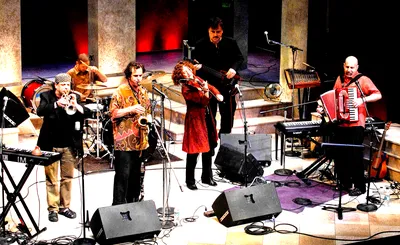
The Klezmatics at The Ark, Ann Arbor
The Klezmatics, a renowned ensemble celebrated for their innovative take on traditional Yiddish music, will be gracing the stage at The Ark in Ann Arbor, Michigan, on December 3, 2025. With a history that spans over three decades, this band has not only preserved the rich cultural heritage of Klezmer music but has also infused it with contemporary influences, creating a unique sound that resonates with audiences of all ages. Their performances are lively, engaging, and often feature a blend of humor and storytelling that captivates listeners.
The Klezmatics have toured extensively across the globe, and their rich discography includes noteworthy albums such as "Live at The Town Hall," "Wonder Wheel," and "Jewish Songs from the Yiddish Theater." Their concert at The Ark promises to be an unforgettable experience, showcasing their top hits like "Bucharest," "Ale Brider," and "A Yiddish Lullaby." With a seating capacity that fosters an intimate atmosphere, The Ark is the perfect venue for such a dynamic performance.
Concert-goers can expect a wide range of ticket prices, typically falling in the $30 to $60 range, depending on seating choice. The venue provides a detailed seating chart that helps patrons choose their preferred spots, whether they prefer the front rows for a closer connection to the performers or the back rows for a broader view of the stage. Additionally, The Ark is conveniently located, with ample parking options nearby and easy access for all attendees.
Given their popularity and the vibrant nature of their performances, The Klezmatics' concert at The Ark scores a solid 9.5 out of 10. This event is not just a concert; it is a celebration of culture, music, and community that promises to leave a lasting impression on all who attend.
FAQ
1. What time does the concert start?
The Klezmatics concert at The Ark is scheduled to begin at 7:30 PM. It's advisable to arrive at least 30 minutes early to find parking and settle in.
2. Are there age restrictions for this concert?
There are no specific age restrictions for The Klezmatics concert, making it a family-friendly event. However, children under the age of 12 must be accompanied by an adult.
3. Can I buy tickets at the door?
While tickets may be available at the door, it is highly recommended to purchase them in advance through ticketsannarbor.net to ensure availability and avoid disappointment.
4. What is the seating arrangement like at The Ark?
The Ark features a combination of reserved seating and general admission areas. The venue layout allows for a cozy atmosphere where every seat offers a great view of the stage.
5. Is parking available at The Ark?
Yes, there are several parking options available near The Ark. Street parking and nearby lots are accessible, but it is wise to arrive early to secure a spot.
6. What are some popular songs by The Klezmatics?
Some of the band's most popular songs include "Bucharest," "Ale Brider," and "A Yiddish Lullaby," showcasing their diverse range and emotional depth.
7. Will there be merchandise available for purchase?
Yes, The Klezmatics often have merchandise available at their concerts, including CDs, vinyl, and other memorabilia, allowing fans to take home a piece of the experience.
The Klezmatics and the Legacy of Silence
This week's podcast features the remarkable Daniel Rosenberg, a musicologist deeply engaged in world music projects. His current focus is on Syrian music, which reflects his broader connection to significant projects like the Grammy-nominated Yiddish Glory. Rosenberg's conversations often touch on the haunting legacy of the Holocaust, particularly as it relates to contemporary global issues, including the rise of authoritarianism and the silencing of minority voices.
One poignant aspect of his work is the Silent Tears project, which highlights the experiences of women who suffered during the Holocaust. The project draws from the poetry and testimonies of survivors, including Molly Applebaum, who endured unimaginable horrors. Set to music by the Payadora Tango Ensemble, these songs tell the stories of violence and trauma against women and children during the Nazi occupation of Poland. This initiative not only preserves their memories but also connects them to the rich tradition of Yiddish tango, a genre that flourished in pre-war Poland, intertwining Jewish and Eastern European musical influences.